cardiovascular systems
  • Home
  • Cooney
    • Cooney: Mollusca >
      • Garden Snail
      • Blue-Ringed Octopus
      • Giant Clam
    • Cooney: Porifera >
      • Fire Sponge
      • Yellow Tube Sponge
      • Touch-Me-Not-Sponge
    • Cooney: Cnidaria >
      • Portuguese Man-O-War
      • Fire Coral
      • Cauliflower Jellyfish
  • Petze
    • Petze: Arthropoda >
      • Golden Tortoise Beetle
      • Monarch Butterfly
      • Assassin Bug
    • Petze: Echinodermata >
      • Crown of Thorns Starfish
      • Pineapple Sea Cucumber
      • West Indian Sea Egg
    • Petze: Chordata >
      • Yellow Banded Poison Dart Frog
      • Peregrine Falcon
      • Spotted Wobbegong Shark
  • Ruddy
    • Ruddy: Platyhelminthes >
      • Lancet Liver Fluke
      • The Pork Tapeworm
      • The Blood Fluke
    • Ruddy: Nematoda >
      • Caenorhabditis elegans
      • Southern Root-Knot
      • Giant Roundworm
    • Ruddy: Annelida >
      • The Bloodworm
      • Earthworm
      • Feather Duster Worm
  • Worksheet
  • Sources
cardiovascular systems

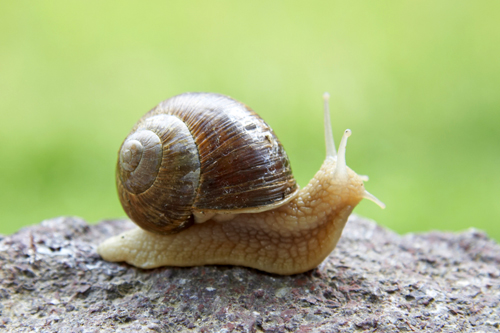
garden snail

CORNU ASPERUM

Picture
Picture
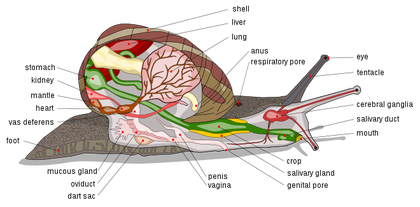
          Snails, unlike humans, have an open circulatory system with a two chambered heart. The heart pumps the blood into the aorta and then it gets pumped into smaller arteries. From these smaller arteries, the blood empties into the body cavity. The body cavity is called the haemocoel. The blood has a blue color because of the haemocyanin. The blood passes from the haemocoel into vessels surrounding the lung where O2 is released from the blood. The blood then re-enters the heart via the pulmonary vein.

Powered by Create your own unique website with customizable templates.